Plan a distinctive exhibition space with reusable systems, custom branding and a rental scope shaped around your next show—and the one after that.
Start your project Explore our work.Explore our portfolio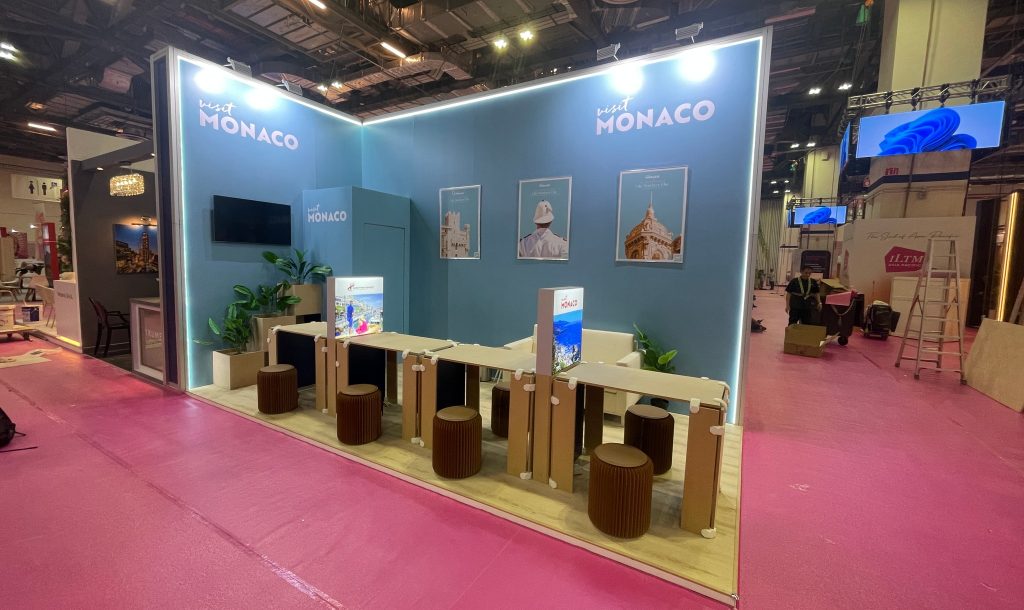
A sustainable exhibition booth starts with decisions about what you need, what can be hired and what can be used again. Rental can give you access to a stand system without taking ownership of every component. It also creates an opportunity to reconsider oversized structures, short-lived graphics and displays that have no use after the exhibition.
Zeno Exhibition helps plan rental booths around your brand, stand allocation and event programme. We discuss the reusable structure, customised elements, transport and collection together. The aim is a practical, attractive space with a clear plan for the materials—not an unsupported promise that every rental is automatically greener or cheaper.
Explore the project through video. Use the player controls to play, pause or view the film in full screen.
Explore three decisions behind a considered rental brief. The portfolio photographs illustrate spatial and branding ideas; material reuse and rental availability are confirmed for the proposed design.
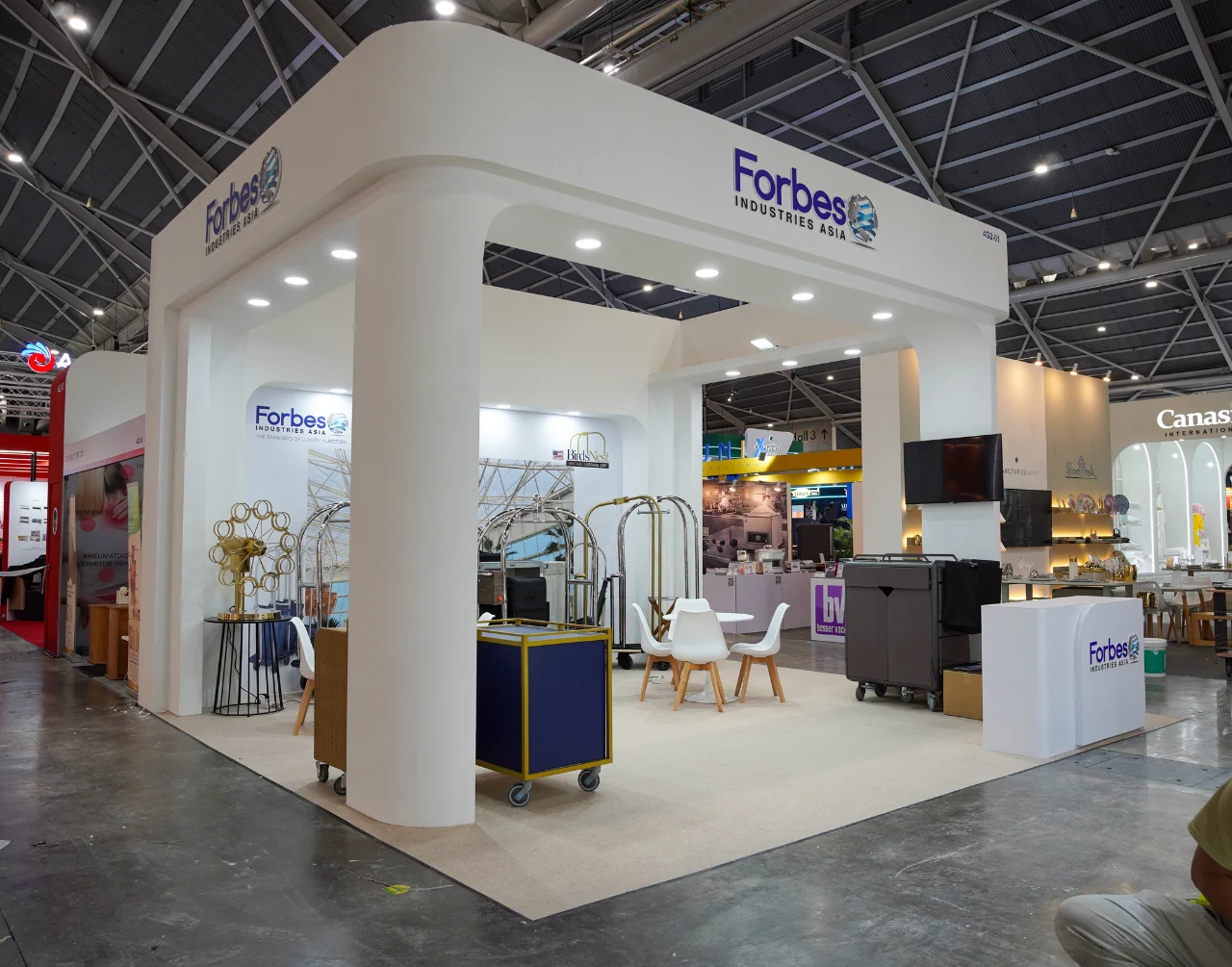
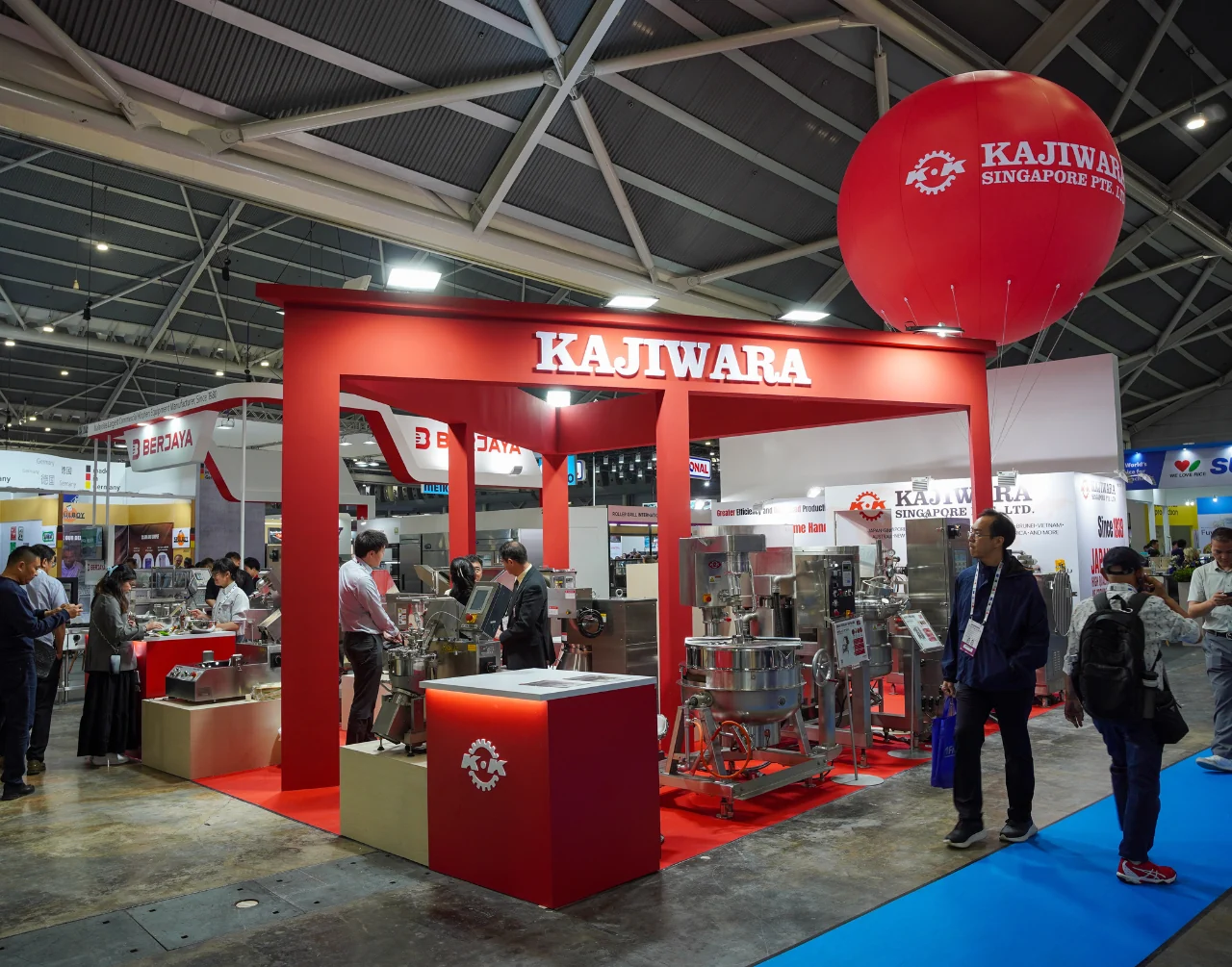
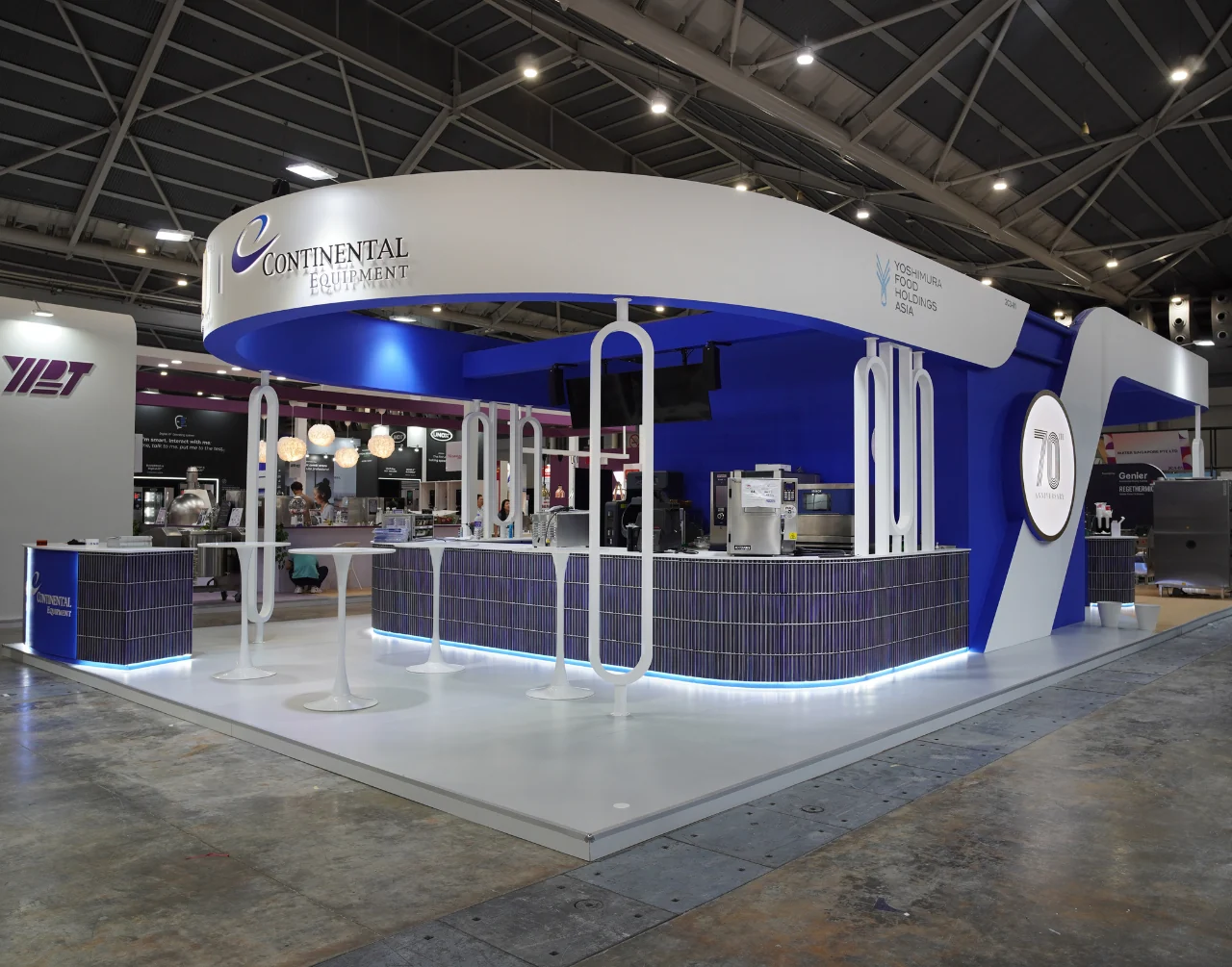
Design detail: a defined overhead outline creates presence while the visitor area remains open.
A reusable frame or display system can provide the basis for different exhibition layouts. The design still needs to suit the actual stand footprint, access and product requirements. Planning the core first helps identify which features can stay consistent and which parts need a new solution.
Discuss likely future stand sizes, open sides and display needs before settling on a configuration.
Separate hired structure and furniture from graphics, special finishes and one-off fabricated elements.
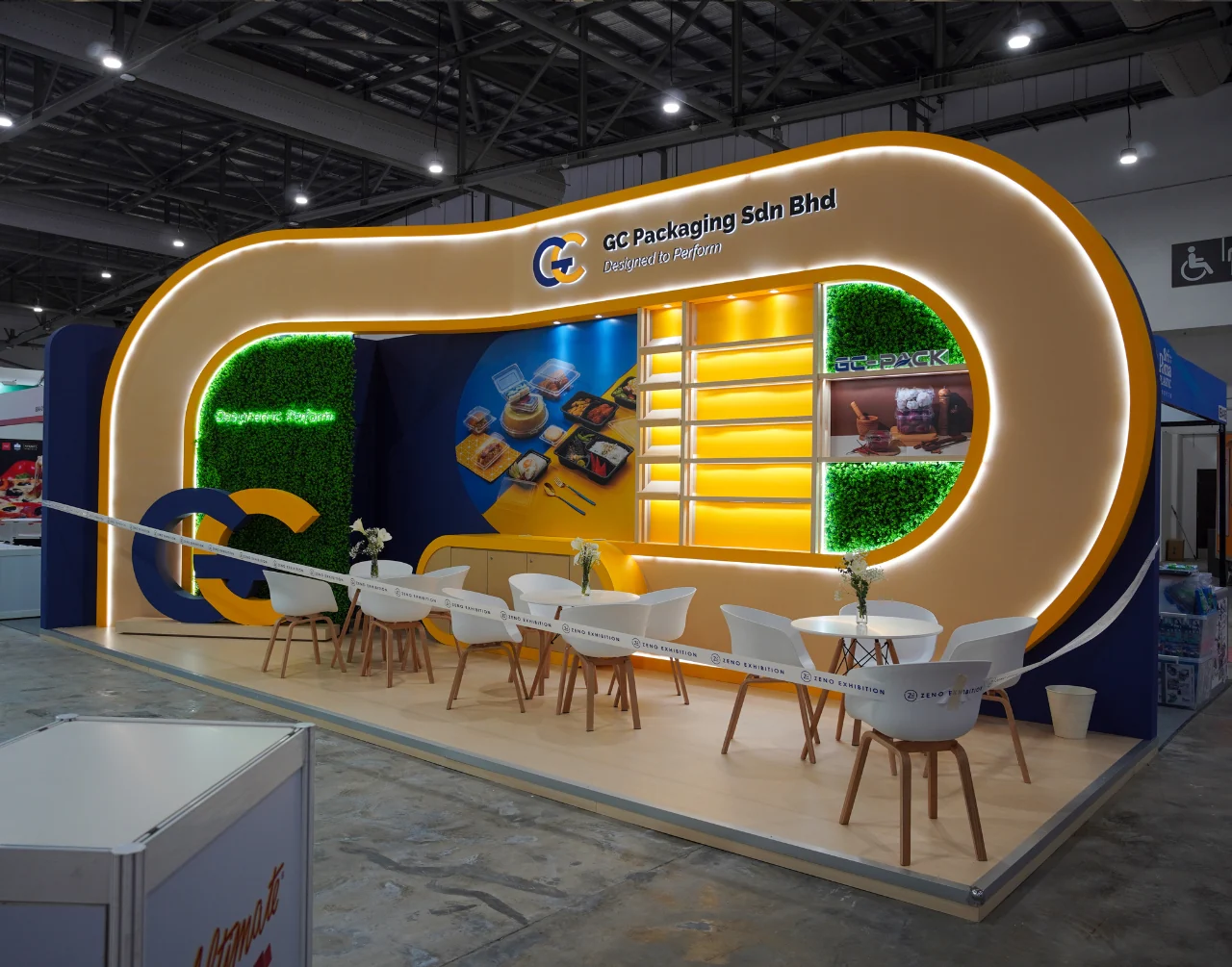
Design detail: a continuous backdrop gives the brand message a clear, readable surface.
The information on a stand changes faster than many physical components. New product launches, languages and show audiences can be reflected through graphics, screens and display content. Plan how those elements attach and how they can be replaced, rather than making every update a complete rebuild.
Keep enduring brand elements distinct from campaign dates, offers and event-specific messages.
Confirm the printed areas, fixing method, replacement requirements and what happens to used graphics.
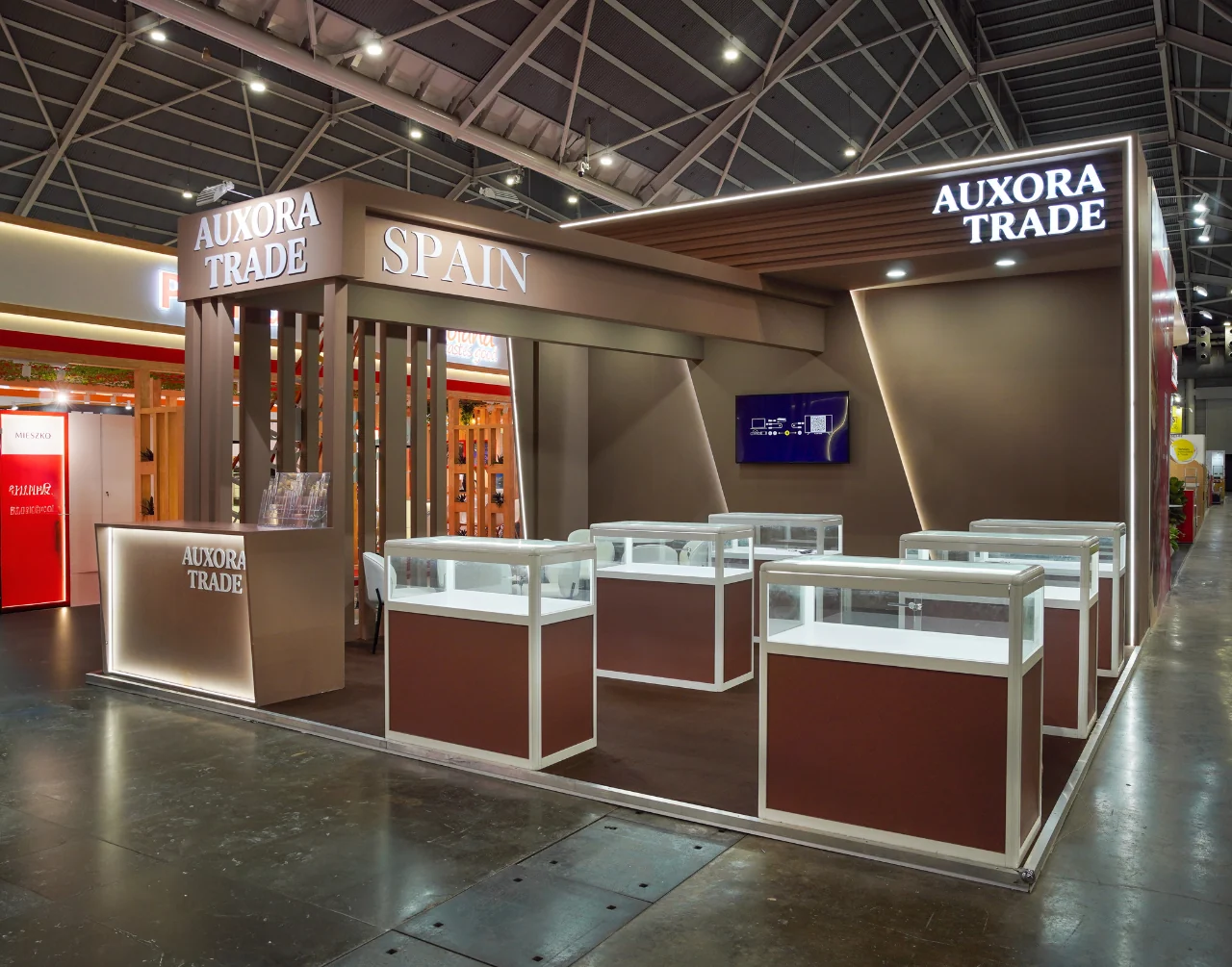
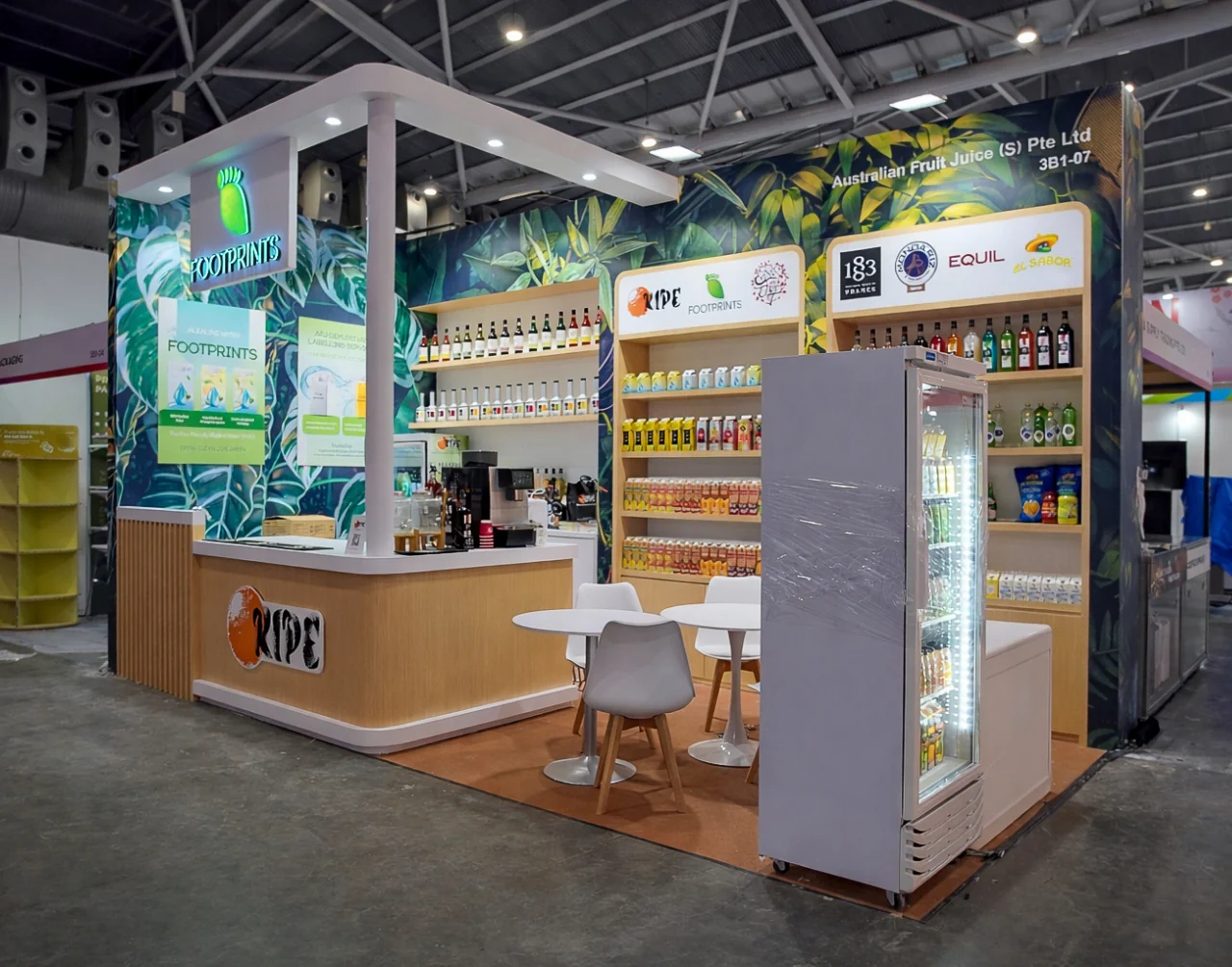
Design detail: clear product showcases and meeting furniture serve specific functions within the space.
Reuse depends on how the booth is dismantled, handled and stored. Rental terms should make collection responsibilities clear, while any items you keep need a destination and suitable packing. A practical end-of-show plan protects the components that are intended to return to use.
List hired items, retained client assets and materials requiring another agreed route.
Consider transport, handling, storage and refurbishment alongside initial construction.
A clear sequence keeps decisions, responsibilities and delivery connected. We agree the scope and programme around your specific project.
Share the event, venue, stand allocation and the number of shows you are considering. We discuss your products, audience and brand requirements, then identify the elements that may suit rental or reuse. This keeps the initial concept connected to your longer-term exhibition needs.
We develop the layout and clarify the proposed system, graphics, display elements, furniture and optional equipment. Availability, finish choices and responsibilities are confirmed in the quotation. The reusable core and any event-specific additions should be easy to distinguish.
Once the design and artwork are approved, the components are prepared for the agreed installation. Transport, access, assembly and handover are planned around the organiser’s programme. Your team should know what is hired, what is supplied separately and how the stand is used.
Dismantling and collection follow the agreed rental terms. If future reuse is part of the plan, review what worked in the layout and what the next event needs. Keeping that information makes later changes more deliberate and helps avoid unnecessary new production.
Compare the full project scope and your exhibition calendar. A rental option may reduce ownership commitments, but the total depends on customisation, logistics and the way you exhibit.
Clarify the structure, furniture, lighting and display items included in the rental, plus the rental period.
Artwork, printed graphics, unusual shapes and specialist displays can add work beyond the core system.
Check collection, condition requirements, storage and any agreed reuse or refurbishment arrangements.
Tick the information you already have. Use the remaining items to guide the discussion about rental and future use.
It is a rental approach that considers material use and future reuse alongside appearance and function. Reusable structure and hired furniture may reduce the need to produce some items for a single event. The actual outcome depends on the design, transport, condition, reuse frequency and end-of-life arrangements.
No single option is best for every exhibition programme. Rental can avoid the need to own and store the entire stand, while ownership may suit a stable design used repeatedly. Compare graphics, handling, transport, maintenance, storage and future changes as well as the initial price.
Yes, the layout, graphics, colours, counters and display content can be developed around your identity. The available options depend on the chosen system and rental scope. We discuss the important brand features first, then balance them with reusable components and practical installation requirements.
The photographs are design references from Zeno’s existing exhibition imagery. They show different ways to organise and brand a stand; a photograph alone does not establish its materials or reuse performance. We confirm the rental components and material plan for your specific proposal.
Frames, some counters, furniture, display supports and suitable graphics can be assessed for reuse. Their condition, size, fixing method and the next event’s requirements matter. Discuss these choices before production so dismantling and transport can support the intended next use.
Any quantified environmental claim needs evidence and a defined comparison. If measurement or certification is required, include that in the brief so the data, methodology and responsible parties can be agreed. This page does not claim a certified carbon reduction for a rental package.
The quotation should identify the hired components, custom graphics, installation, collection, rental period and any optional items. Venue services, AV, storage and special logistics may be separate. Review the scope and responsibilities before confirming the project.
Send the stand plan, show dates, venue, brand references, products and budget range. If you exhibit regularly, include the expected event calendar. That helps us discuss a layout and component strategy that fits both the immediate event and potential future use.
Tell us about your next show and future exhibition plans. We’ll help shape a rental brief around the space, brand and components you need.