
Exhibition Booth Design Guide: How to Create a Stand That Attracts Visitors
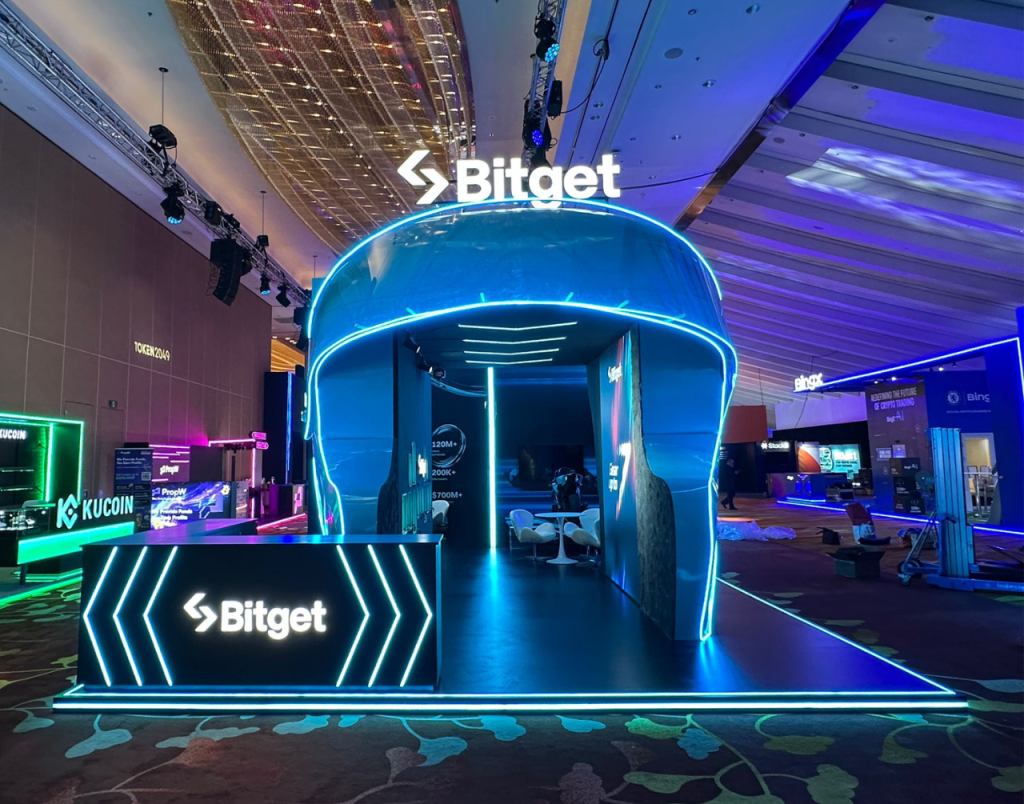
An exhibition booth is more than a temporary display. It is a physical expression of your brand, a meeting place for potential customers, and one of the most important tools in your event marketing plan. Effective exhibition booth design combines visual impact with a clear message, comfortable visitor flow, and practical spaces for demonstrations and conversations. Whether you are preparing for a local industry exhibition or an international event, the following guide will help you create a stand that attracts attention and supports real business goals. Start With a Clear Exhibition Objective Before choosing colours, materials, or technology, decide what success should look like. A booth designed for a product launch will have different priorities from one focused on private meetings or brand awareness. Common exhibition objectives include: Generating qualified sales leads Launching a new product or service Meeting distributors, partners, or existing customers Demonstrating a product in action Building recognition in a new market Your primary objective should guide the layout, messaging, staffing, and visitor experience. It also gives your team a practical way to evaluate results after the event. Choose the Right Booth Format Your allocated floor space, show regulations, budget, and expected number of visitors will influence the best booth format. A compact inline stand can be highly effective when it has a strong focal point and an open entrance. Corner stands benefit from two visible sides, while island stands provide access from several directions and create opportunities for larger brand experiences. Modular systems offer flexibility and can be reconfigured for future events. A custom exhibition booth gives you greater freedom to create a distinctive environment around your products, audience, and brand story. The right choice is the one that supports your objectives without adding unnecessary complexity. Design the Visitor Journey Visitors often decide within seconds whether to approach a stand. An open and welcoming entrance reduces hesitation, while a clear focal point helps people understand where to look first. Avoid blocking the front of the booth with bulky counters or furniture. Plan the space as a simple journey: Attraction zone: Visible branding, a clear headline, or a featured product draws attention from the aisle. Engagement zone: Demonstrations, samples, screens, or conversations give visitors a reason to stay. Meeting zone: Seating or a quieter area supports more detailed discussions with qualified prospects. Support zone: Storage, staff belongings, and technical equipment remain organised and out of sight. Good circulation makes the stand feel larger, reduces congestion, and helps staff interact naturally with visitors. Communicate One Strong Message An exhibition hall is visually busy. Your main message should therefore be short, specific, and easy to read from the aisle. Instead of trying to explain everything your company offers, focus on the customer problem you solve or the most important benefit you provide. Place your logo where it remains visible from key approaches. Use supporting graphics to create a clear hierarchy, and keep detailed information for brochures, screens, or conversations. Consistent colours, typography, imagery, and tone will make the booth feel unmistakably connected to your brand. Use Lighting and Materials With Purpose Lighting shapes both visibility and atmosphere. General lighting keeps the space comfortable, accent lighting draws attention to products, and illuminated graphics can strengthen important messages. Screens should be positioned to avoid glare and should not compete with one another. Materials also communicate brand character. Natural finishes may support a warm or sustainability-focused identity, while clean architectural surfaces can create a precise, technology-led impression. Select finishes that look professional under venue lighting and can withstand installation, show traffic, and dismantling. Create Reasons for Visitors to Engage People remember experiences more readily than static displays. Product demonstrations, interactive screens, samples, workshops, or short presentations can turn passive interest into meaningful interaction. Every activity should have a clear connection to your offer. Think about what happens next. Staff should be ready to start a conversation, capture the visitor’s details, and record the reason for their interest. A simple and well-rehearsed lead process is often more valuable than a complicated attraction with no follow-up plan. Plan the Practical Details Early Beautiful concepts still need to work safely and reliably on site. Confirm venue regulations, height restrictions, electrical requirements, internet access, rigging rules, delivery schedules, and storage needs early in the project. Allow enough space for staff movement, accessible entry, product handling, and hidden cables. Working with an experienced exhibition design and build partner helps coordinate design, fabrication, graphics, lighting, logistics, installation, and dismantling as one process. This reduces last-minute surprises and keeps responsibility clear. Evaluate Potential Booth Partners When reviewing a booth designer or contractor, look beyond the first visual concept. Ask how the team will manage production, quality control, venue coordination, on-site installation, and post-show dismantling. Review relevant exhibition case studies and discuss how each proposed design decision supports your goals. A strong partner should balance creativity with buildability, communicate clearly, and provide realistic timelines. The best result is not simply a booth that photographs well, but one that performs effectively throughout the event. Measure What Worked After the exhibition, compare the results with your original objective. Useful measures may include qualified leads, meetings held, demonstrations completed, follow-up opportunities, or visitor feedback. Ask the booth team which areas attracted attention and where congestion or confusion occurred. These insights can improve the next design and help you invest more confidently in future events. Build an Exhibition Booth That Works for Your Brand Successful exhibition booth design brings strategy, brand communication, visitor experience, and technical delivery together. When every element has a purpose, even a modest space can create a strong and memorable presence. Zeno Exhibition provides end-to-end support from concept and fabrication to installation and dismantling. If you are preparing for an upcoming event, contact our team to discuss a booth designed around your audience and objectives.

