
A flexible framework for a distinctive exhibition presence. Explore modular booth design that connects your brand, display needs and plans for the next show.
Start your project Explore our work.Explore our portfolio
A modular exhibition booth should begin with your visitor experience. What do people need to see, try and discuss? The frame system then supports the spaces around those priorities, with finishes and graphics giving the structure its brand identity.
beMatrix uses reusable aluminium frames that can be combined with different infills and display elements. Zeno Exhibition helps you explore beMatrix booth design in Singapore, considering the stand footprint, visual concept and potential reuse together. The design still needs a project-specific technical review: a modular system is a foundation, not an automatic approval for every structure.
Explore the project through video. Use the player controls to play, pause or view the film in full screen.
Select a design priority. These images from the existing beMatrix service gallery illustrate approaches to form and presentation; each project needs its own specification.
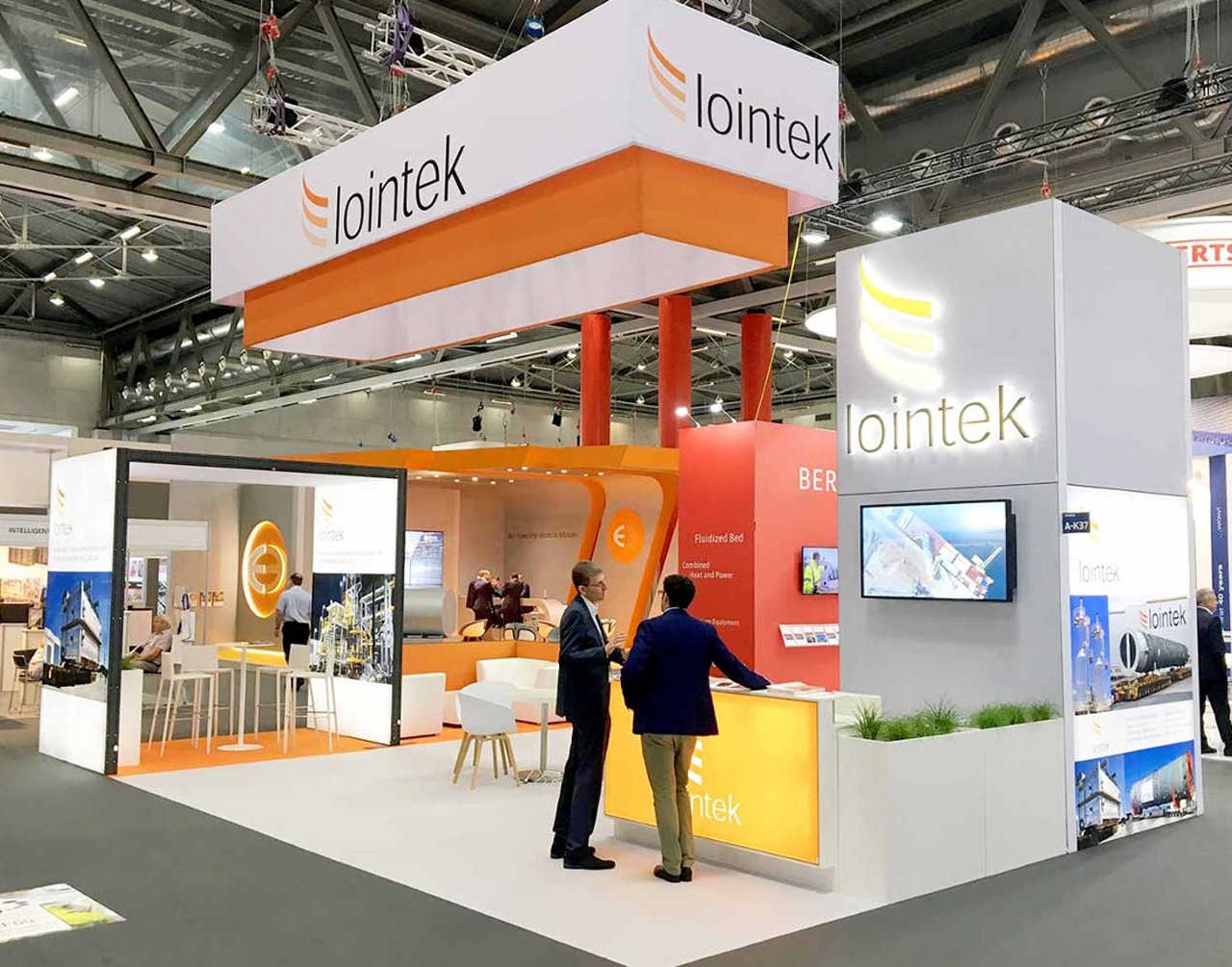
Design reference from the existing service gallery.
Colour, proportion and the placement of signage can make a modular stand feel deliberate. Begin with a small set of brand elements and carry them through the fascia, walls and reception point. A clear hierarchy is often more effective than covering every surface with a different message.
Check what visitors see from the main aisle and from the stand entrance.
Plan edges, graphic joins, doors and storage so functional elements belong within the design.
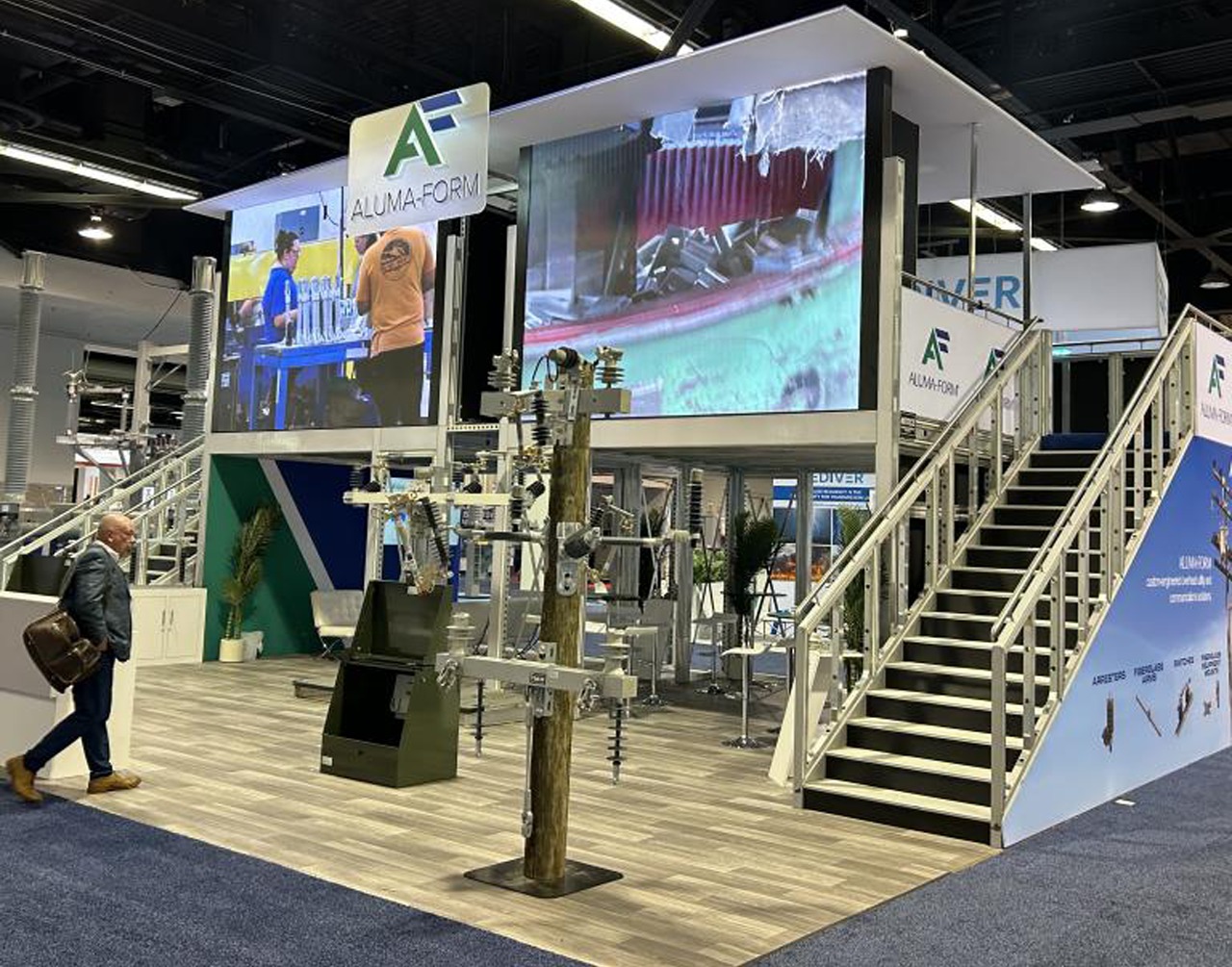
The photo illustrates display planning; structural and audiovisual specifications vary by project.
A screen or product display needs an audience position, a usable viewing distance and a place for staff to explain the story. Identify these needs before fitting the content into the structure. Large displays also affect supports, cabling, ventilation and access for maintenance.
Agree the screen format, resolution and playback requirements with the audiovisual supplier.
Heavy products, screens and upper levels require suitable engineering and venue approval.
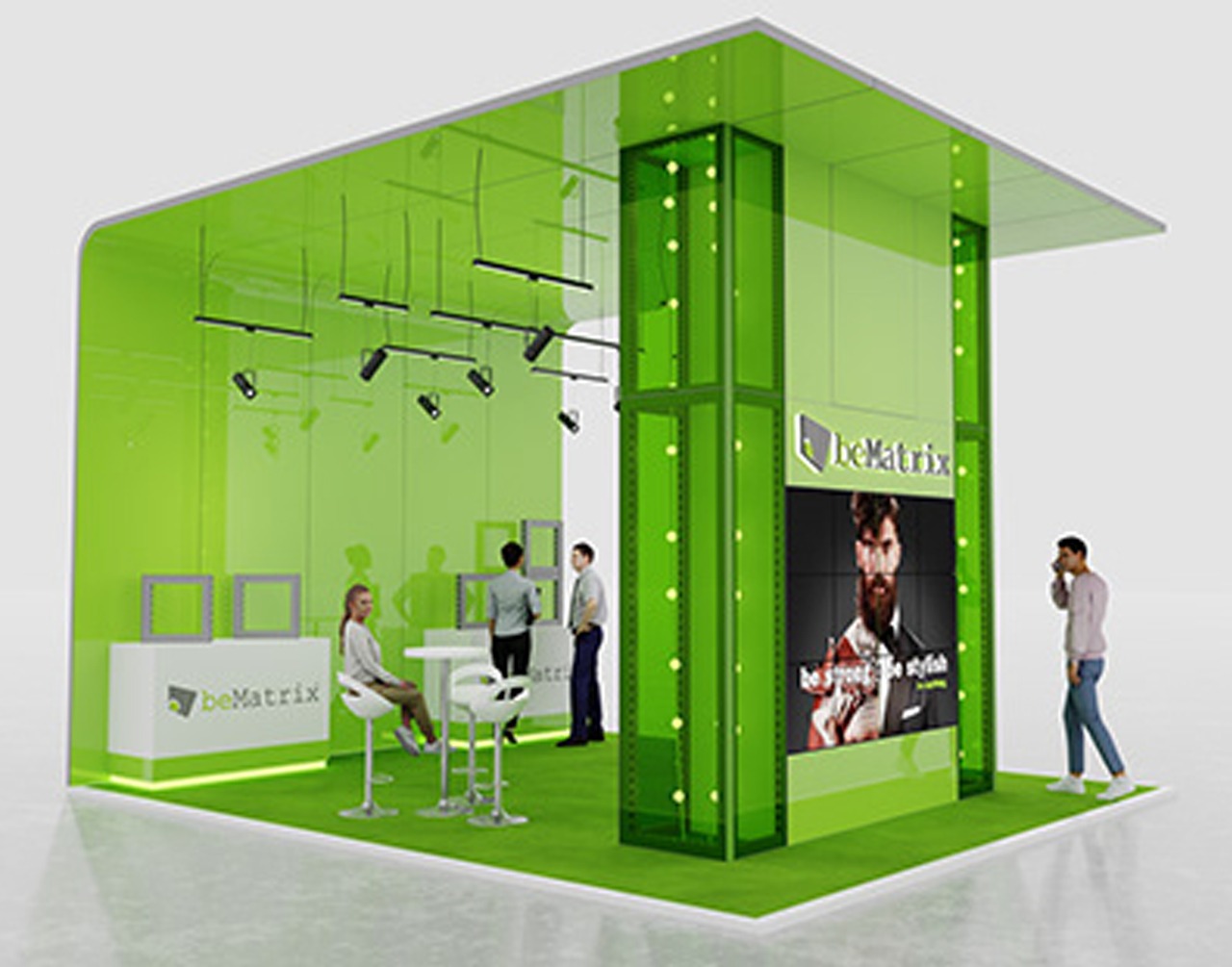
Design visualisation showing a modular concept, not a completed project photograph.
A reusable framework is most useful when you know how it might be used again. Compare your upcoming stand sizes, open sides and core display requirements. Separate elements that can stay consistent from graphics or features that will need to change between shows.
Identify the walls, display zones and components that could serve more than one layout.
Consider packing, transport, component records, storage and condition checks alongside the first build.
A clear sequence keeps decisions, responsibilities and delivery connected. We agree the scope and programme around your specific project.
Share the first event and any likely future footprints. Identify the brand elements, products, meeting capacity and technical requirements that need to remain consistent.
Explore how frames, infills, graphics and display features support the visitor journey. Review the visual concept with practical access, storage and equipment positions in mind.
Confirm component availability, connections, supports, electrical requirements and venue submissions. Agree responsibilities for audiovisual equipment and any bespoke fabrication that sits alongside the modular system.
Coordinate installation and checks before opening. After the event, record what is returned, what needs repair or new graphics and what must change for the next planned configuration.
The system name alone cannot determine a booth price. Compare proposals against the same layout, finishes and delivery requirements.
Footprint, height, room enclosures and overhead or specialist features affect the structural scope.
Printed infills, lighting, screens, counters and custom details shape the finished visitor experience.
Rental or ownership arrangements, transport, installation, dismantling, storage and future adaptations affect the wider programme.
Gather these details to make the first design discussion more useful.
beMatrix is a modular frame system used to build exhibition and event environments. Reusable frames can work with different infills and display elements. See beMatrix’s system overview for the manufacturer’s description.
It does not have to. The layout, graphic treatment, lighting and selected features give the stand its identity. The aim is to work intelligently with the system while deciding where custom details add value.
Reconfiguration can be planned, but compatibility depends on the existing components and the new footprint. Share future layouts early so the design can identify which parts are reusable and which additions may be required.
Screens and digital elements can be considered during design. beMatrix also offers LEDskin for integration with its frame system. The selected equipment, supporting structure, power, content and supplier responsibilities need to be agreed for the actual project.
A hybrid approach can bring bespoke counters or features together with a modular structure. Connections, tolerances, finishes and installation responsibilities need to be coordinated so the separate elements work as one booth.
Reuse is a useful design strategy, but the result depends on how components are used, transported, maintained and recovered. We focus the discussion on a practical reuse plan rather than assuming a carbon saving from the system name alone.
Both use systems, but they serve different design requirements. A shell scheme commonly provides a standard booth package. A beMatrix-based design can form a more individually planned modular environment. Compare the actual scope and finish rather than the labels alone.
Send the exhibitor manual, floor plan, brand assets, product list, event dates and budget. If you already own components or have artwork from another show, include the inventory and drawings so their suitability can be checked.
Share your stand plan and upcoming events. Let’s explore a modular approach that fits both.

