
Create a brand experience people can take part in. Connect the idea, physical space and visitor activity so every interaction has a purpose.
Start your project Explore our work.Explore our portfolio
An experiential event invites people to engage with a brand through an activity, a demonstration or a shared moment. The strongest starting point is a useful question: what should someone understand, feel or be able to do after taking part? That answer gives the event concept a direction.
Zeno Exhibition approaches experiential event design in Singapore through the relationship between the story and the space. We consider how visitors arrive, understand the invitation, participate and continue the conversation. Physical design, content, staff support and operating requirements need to be planned together for the experience to work on the day.
Explore the project through video. Use the player controls to play, pause or view the film in full screen.
Explore three ways to shape participation. The exhibition photos below illustrate spatial and product-presentation ideas that can inform an activation brief.
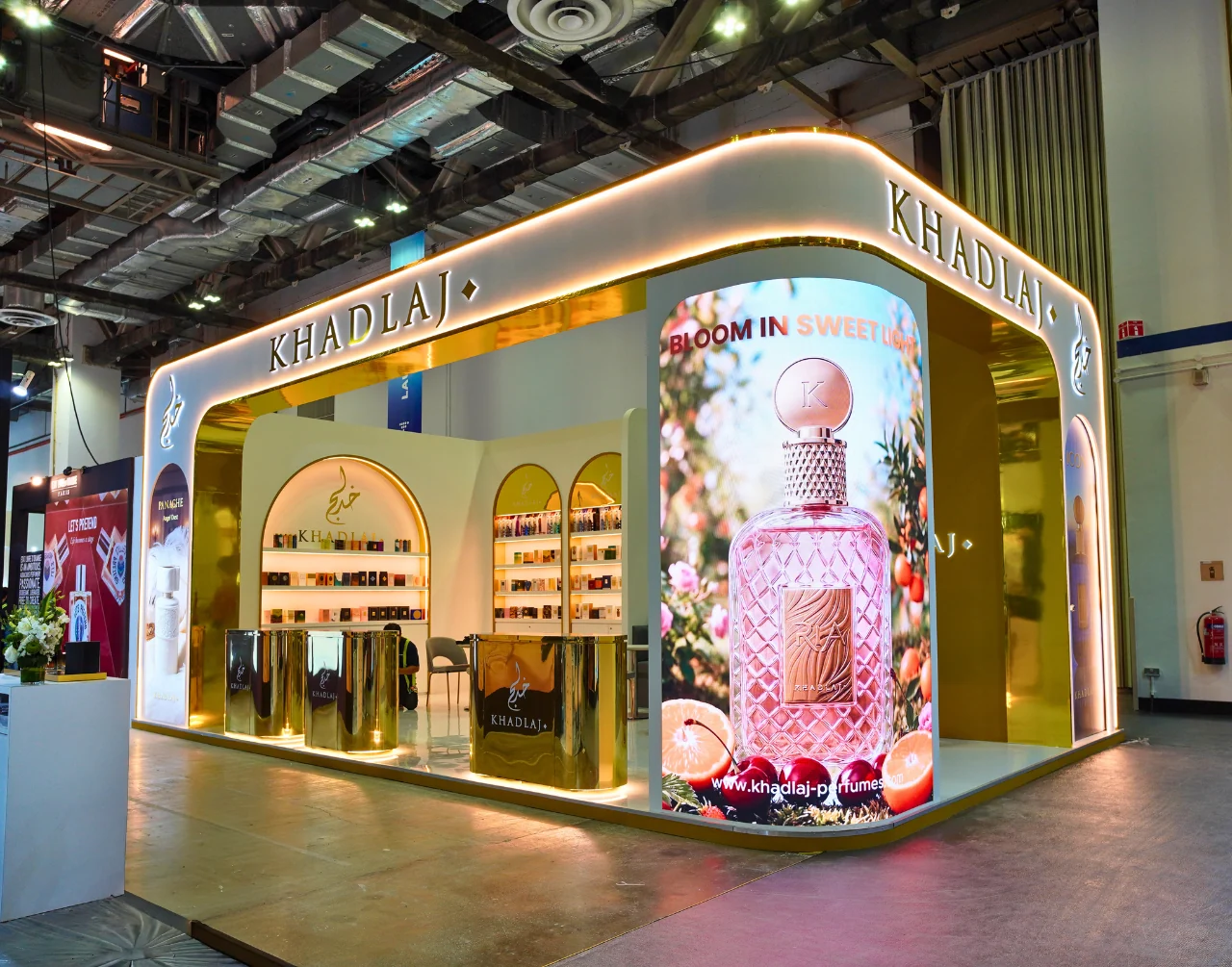
Exhibition project photo used to illustrate product presentation.
A product-led experience gives visitors a reason to look more closely. That could mean comparing finishes, trying a sample or seeing a feature demonstrated. The space should bring the product and the explanation together, with room for a member of the team to guide the interaction.
Identify the one product benefit the activity should help visitors understand.
Plan display height, lighting, handling, replenishment and staff access around the activity.
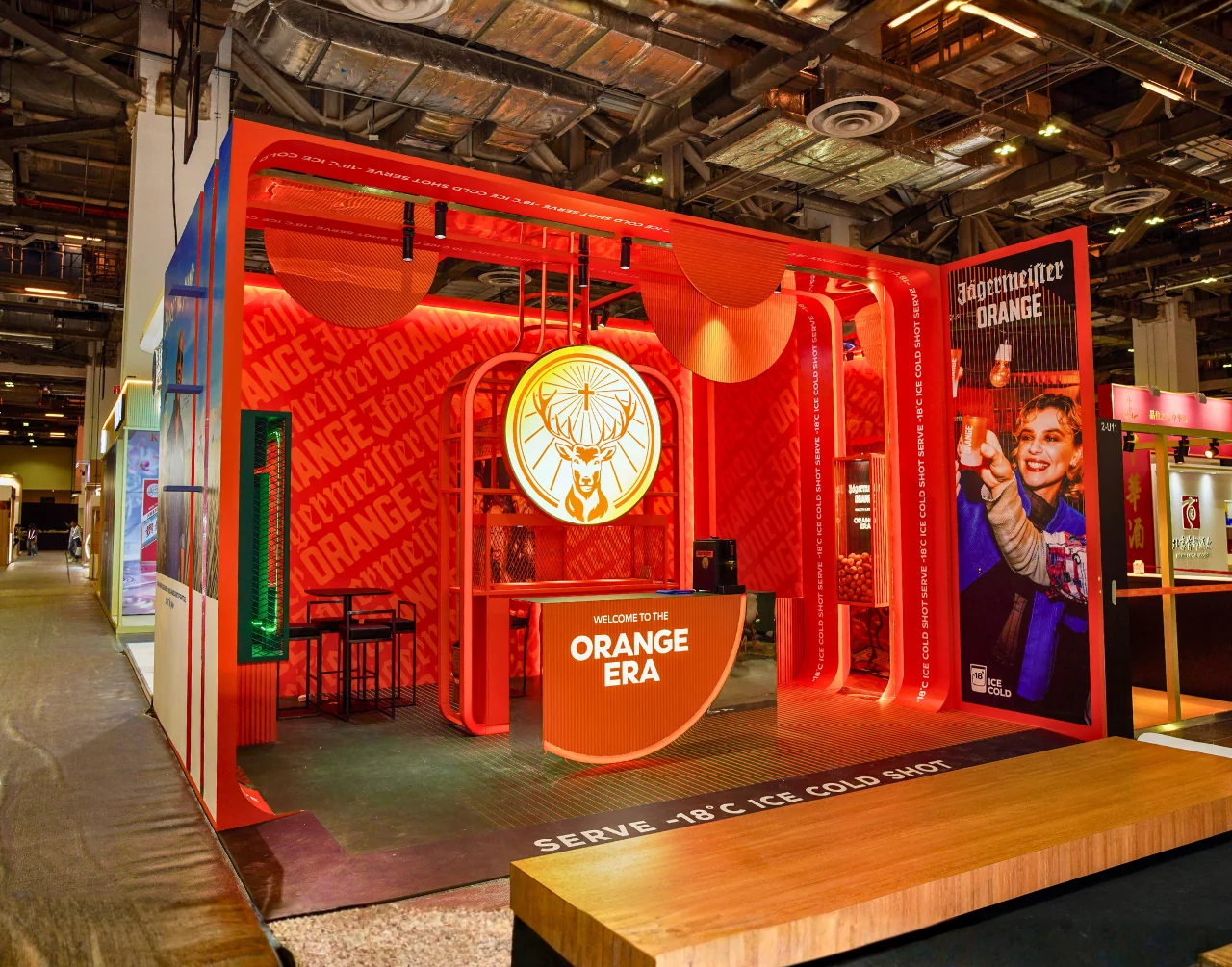
Exhibition project photo illustrating brand atmosphere; the activity format follows the campaign brief.
Colour, lighting, material and a strong focal point can establish a recognisable atmosphere before a visitor reads a word. Carry that atmosphere into the activity and staff interaction so the experience feels connected to the campaign.
Let the main brand message lead, then reveal supporting details closer to the activity.
Check lighting, sound and visibility against the venue and neighbouring activities.
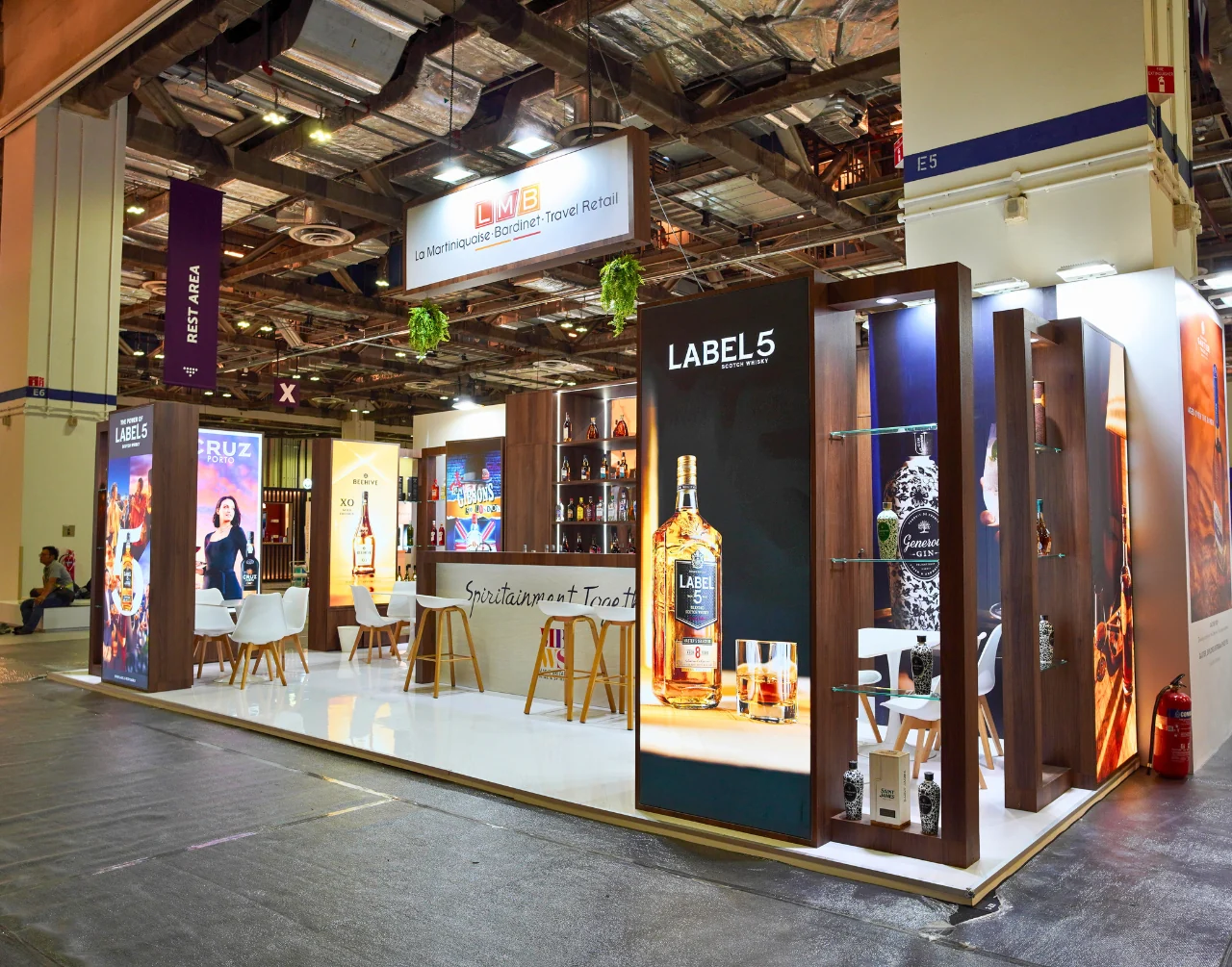
Exhibition project photo illustrating space for visitor conversations.
Participation is often the beginning of a conversation. A comfortable place to ask questions, compare options or meet a specialist helps the experience continue. Plan that space alongside the high-visibility feature, rather than fitting it into whatever area remains.
Keep longer conversations from blocking the entrance or the main interaction.
Define whether visitors should book a meeting, request information or continue into another part of the event.
A clear sequence keeps decisions, responsibilities and delivery connected. We agree the scope and programme around your specific project.
Define who the experience is for, the campaign message and the action or understanding it should encourage. Select a few useful measures before choosing the activity.
Walk through arrival, instructions, activity, staff support and the next step. Consider how long participation takes, where people wait and how the experience works for different visitors.
Develop the physical setting and required content together. Agree fabrication, graphics, audiovisual equipment, technical testing and the responsibilities for staff, consumables and operation.
Test the visitor journey before opening, including what happens if an activity pauses or equipment needs attention. After the event, review the agreed measures and practical observations to inform the next activation.
An interactive installation is one part of a working event. Content, people, technical support and the venue can be just as important to delivery.
Concept development, fabrication, graphics, lighting and the chosen footprint establish the environment.
Demonstration equipment, screens, custom content, software and testing depend on the selected interaction.
Staffing, training, consumables, access, technical support and removal need a clear owner and an agreed allowance.
Use these six details to move from an interesting idea to an actionable discussion.
It is the planning of a brand experience around what people actively do, rather than only what they see. Spatial design, storytelling, activities and staff interaction work together to communicate the intended message.
An activation focuses on a particular interaction or campaign outcome. A pop-up store provides a temporary retail setting and may include an activation within it. Choose the format according to whether the main task is participation, product discovery, sales or a combination.
No. A thoughtful demonstration, guided product trial or collaborative activity may be a better fit than a complex digital installation. Select technology only when it makes the intended interaction clearer or more useful.
Yes. The allocated footprint, open sides and organiser rules set the boundaries. The activity needs enough space for participants, staff and any queue while preserving access to the rest of the stand.
Estimate how many people can participate at once and how long each interaction takes. Use that to discuss staffing, entry and exit positions, waiting space and a clear alternative when the activity is full. These assumptions should be tested during rehearsal.
Choose measures that match the objective, such as completed demonstrations, qualified conversations or booked follow-up meetings. Define how the team will record them and what a useful result would look like. Footfall alone may not show whether the message landed.
The scope should identify each responsibility. Some projects require specialist content creators, operators or technology suppliers. Agree who supplies, tests and runs each element, including any backup arrangements, before production begins.
Share the campaign objective, audience, venue plan, dates and budget. Include brand assets, the intended product or message and any existing activity ideas. We can then discuss a suitable physical and operational approach.
Tell us the audience and the idea you want them to experience. Let’s shape a space that makes participation feel natural.

