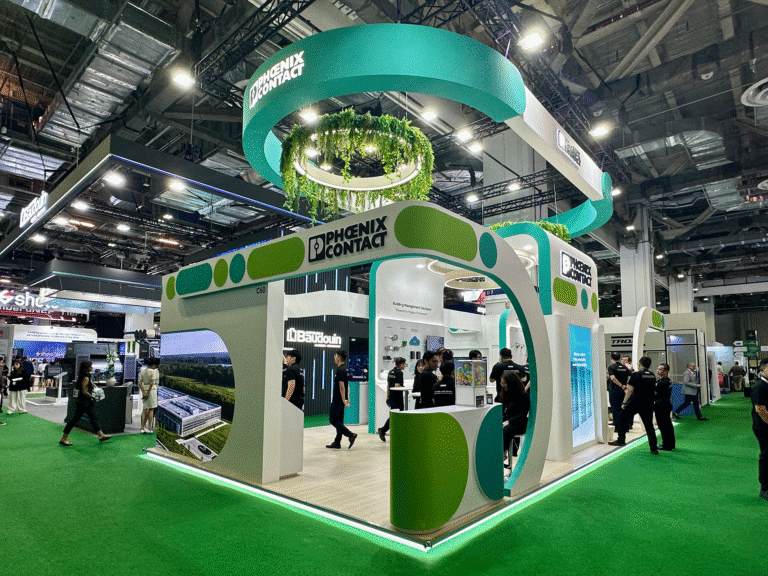


A successful trade show begins long before the exhibition hall opens. Booth design is important, but results also depend on clear objectives, realistic timelines, trained staff, reliable logistics, and disciplined follow-up. A practical trade show planning process brings these elements together and helps your team use time and budget effectively.
Use this checklist as a starting point for your next event. Adjust the timeline for the size of the show, venue requirements, and the complexity of your stand.
10–12 Weeks Before: Define the Business Goal
Start by deciding why the company is exhibiting. Without a shared goal, teams can spend heavily on a booth while measuring little more than foot traffic.
Choose one primary objective and a small number of supporting targets. These may include:
- Generating a specific number of qualified leads
- Booking meetings with target accounts
- Launching a product or entering a new market
- Meeting distributors, partners, or media
- Strengthening relationships with existing customers
Identify the audience you most want to meet and the action you want each visitor to take. This will influence your booth message, demonstration, staffing, and lead-capture questions.
Build a Complete Trade Show Budget
Floor space is only one part of the total investment. A useful budget should include stand design and construction, graphics, furniture, lighting, power, internet, freight, venue handling, staff travel, accommodation, marketing materials, and post-show follow-up.
Set aside a contingency for late changes or venue charges. Ask suppliers which costs are included and which will be billed separately. Clear commercial expectations make it easier to compare proposals and prevent surprises close to the event.
8–10 Weeks Before: Plan the Booth and Message
Share the floor plan, organiser manual, brand guidelines, products, and technical requirements with your design partner. Explain the audience, objectives, and activities the stand must support. This information helps the designer create a layout that works as a marketing environment rather than simply filling the available space.
Your main message should be understandable from the aisle. Use a clear headline, visible branding, and one strong reason to stop. Support that message with products, demonstrations, or visual proof. A professional exhibition booth design should provide open access, logical visitor flow, organised storage, and appropriate spaces for conversations.
6–8 Weeks Before: Confirm Logistics and Technical Details
Review the exhibitor manual carefully and record every deadline. Venues often require advance orders or approvals for power, rigging, internet, catering, lifting equipment, and contractor access.
Confirm the following:
- Final artwork dimensions and submission dates
- Electrical load, socket locations, and internet requirements
- Product delivery, storage, and return arrangements
- Installation and dismantling access times
- Insurance, safety documents, and contractor passes
- On-site contacts for the organiser, venue, and stand team
An experienced exhibition management partner can coordinate these details across design, production, logistics, and venue operations.
4–6 Weeks Before: Prepare the Visitor Experience
Decide exactly what visitors will see and do at the stand. A product demonstration should be short enough to repeat throughout the day and flexible enough for different audience needs. If you are using screens, interactive tools, or presentations, prepare backup files and test all equipment.
Plan how the team will move from attraction to conversation. Promotional items, competitions, or hospitality can increase traffic, but they should support the brand and help identify genuine prospects. Every activity needs a clear next step.
3–4 Weeks Before: Train the Booth Team
Trade show staff shape the visitor’s impression of your company. Select people who understand the offer, enjoy speaking with customers, and can qualify opportunities without making conversations feel like an interrogation.
Provide a short briefing that covers:
- The event objective and target audience
- Key messages and product talking points
- Questions used to qualify a visitor
- Demonstration and meeting responsibilities
- Lead-capture categories and required notes
- Daily schedules, breaks, dress code, and escalation contacts
Practise introductions and demonstrations before the event. Staff should know how to end an unproductive conversation politely and how to bring a specialist into a valuable one.
Create a Simple Lead-Capture Process
Collecting a badge scan without context makes follow-up difficult. Decide which information sales and marketing need, such as business need, timeframe, product interest, purchasing role, and agreed next step.
Keep the form short enough for the stand team to use consistently. Create priority levels and define who owns each type of follow-up. If privacy consent is required for marketing communications, make it clear at the point of collection.
Final Week: Complete the Readiness Check
Confirm that graphics, products, printed materials, presentations, staff passes, travel documents, and contact lists are ready. Share the final booth plan and event schedule with everyone involved.
Pack a small on-site kit with chargers, adapters, presentation backups, stationery, cleaning supplies, basic tools, and approved spare materials. Schedule a stand inspection after installation so there is time to resolve any issue before the hall opens.
During the Trade Show: Manage Performance Daily
Hold a brief meeting before each show day to review goals, appointments, roles, and lessons from the previous day. Keep entrances open, storage organised, and personal phones out of sight when staff are available to speak with visitors.
Track more than total traffic. Review qualified leads, meetings, demonstrations, and common visitor questions. These signals help the team adjust the message and allocate staff where they are most effective.
After the Show: Follow Up Quickly
The exhibition is not complete when dismantling begins. Clean and assign leads while conversations are still fresh. Personalise the response using the visitor’s interest and the next step agreed at the booth.
Within the following days, review results against the original objectives. Compare opportunity quality, sales progress, team feedback, operational issues, and total investment. Record improvements for the next event while the details are still clear.
Common Trade Show Planning Mistakes
- Starting booth design before defining the objective
- Submitting venue orders and artwork too late
- Using too much text or too many competing messages
- Failing to train staff on qualification and lead notes
- Attracting traffic without a meaningful visitor journey
- Waiting too long to follow up after the event
A structured plan prevents these problems and gives every supplier and team member a shared direction.
Prepare for Your Next Trade Show With Confidence
Strong trade show performance comes from coordinated planning before, during, and after the event. Clear goals, a purposeful booth, prepared staff, reliable logistics, and fast follow-up turn exhibition activity into measurable business value.
Zeno Exhibition supports brands with design, fabrication, production, installation, and on-site delivery. Explore our exhibition services or contact our team to start planning your next trade show.